
Your feet are covered most of the day. If you're diabetic, periodic screening is important for good health. Numbness is often a sign of diabetic foot and can mask a sore or wound.


Your feet are covered most of the day. If you're diabetic, periodic screening is important for good health. Numbness is often a sign of diabetic foot and can mask a sore or wound.
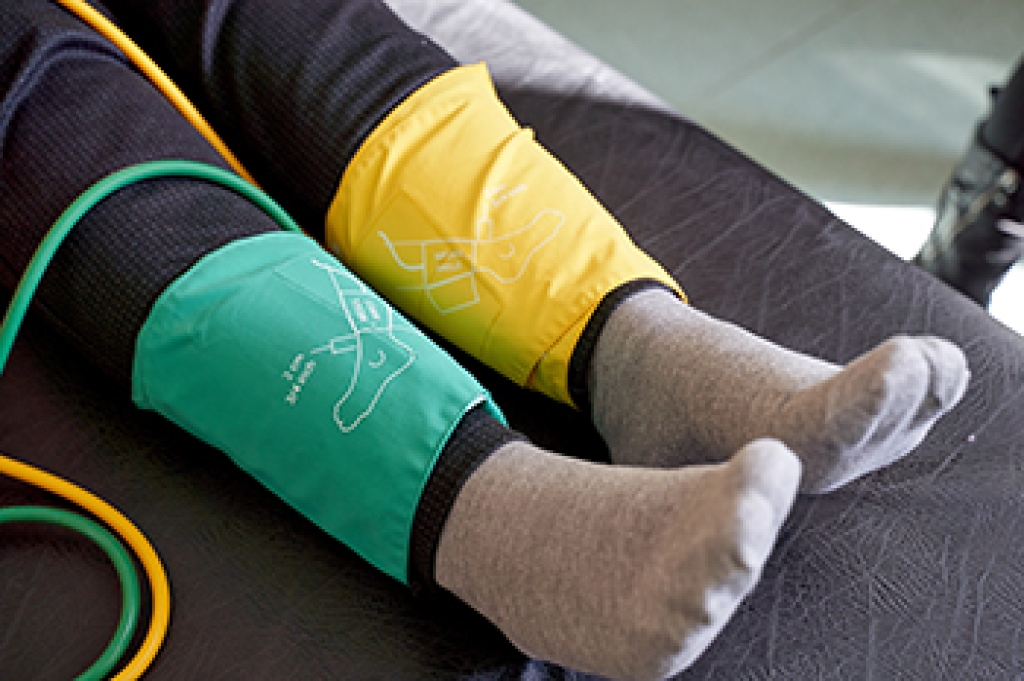
Some diseases that affect the entire body can also produce noticeable problems in the feet. Peripheral artery disease, or PAD, is one example. PAD develops when atherosclerosis causes arteries in the legs to become narrowed. Atherosclerosis is the buildup of fatty material called plaque inside artery walls. As the arteries narrow, less blood can reach the lower legs and feet. Some people with PAD have no noticeable symptoms, while others experience discomfort when walking. Because the feet are far from the heart, circulation problems can become especially noticeable in this area of the body.
Foot-related signs of peripheral artery disease can become more serious as blood flow decreases. The feet may feel cool, while the skin can become thin or pale. Hair loss may also occur on the lower legs and feet. Some people develop aching or burning pain even while resting. More advanced PAD can lead to painful sores on the toes or heels that may have difficulty healing. Severe loss of circulation can eventually damage tissue. PAD is considered a systemic disorder because atherosclerosis may affect arteries elsewhere in the body as well. Diabetes, high blood pressure, and increasing age are among the factors associated with greater PAD risk.
A podiatrist can play an important role in recognizing changes in the feet that may indicate poor circulation. A foot examination can identify skin changes, sores, or abnormal pulses that may require further medical evaluation. Testing may also be needed to determine how well blood is reaching the lower extremities. Because reduced circulation can interfere with healing, professional foot care is particularly important when wounds or other skin problems develop. A podiatrist can provide appropriate foot care while coordinating with other medical professionals when necessary. If you notice persistent foot pain, skin changes, or slow-healing sores, it is suggested that you consult a podiatrist for an evaluation and appropriate treatment options.
When dealing with systemic disease of the feet, it is extremely important to check the affected areas routinely so that any additional problems are caught quickly. If you have any concerns about your feet and ankles contact David K. Morris, DPM from Florida. Our doctor will assist you with all of your podiatric needs.
Systemic Diseases of the Feet
Systemic diseases affect the whole body, and symptoms usually are displayed in the feet. This condition can make a patient’s ability to walk unbearable. Systemic diseases include gout, diabetes mellitus, neurological disorders, and arthritis.
Gout – is caused by an excess of uric acid in the body. Common symptoms include pain, inflammation, and redness at the metatarsal/phalangeal joint of the base big toe. Gout can be treated by NSAIDs to relieve pain and inflammation, and other drugs that lower the acid levels in the body.
Diabetes mellitus – is an increase in the level of blood sugar that the body cannot counteract with its own insulin. Failure to produce enough insulin is a factor in Diabetes.
Diabetes of the Feet
Diabetic Neuropathy – may lead to damaged nerves and affect the feet through numbness and loss of sensation.
Peripheral Vascular Disease – can restrict the blood flow to the feet, and often times lead to amputation of the feet.
If you have any questions please contact our office located in Plantation, FL . We offer the newest diagnostic and treatment technologies for all your foot and ankle needs.
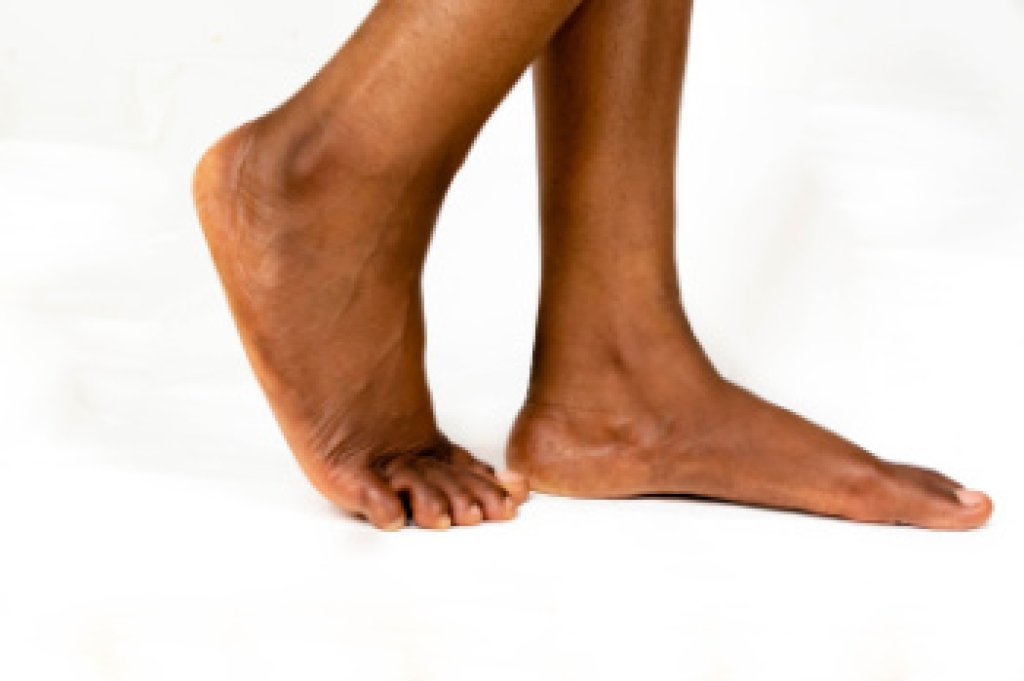
Flat feet occur when the arches of the feet appear flattened while standing. In young children, little or no visible arch can be a normal part of development. The arch usually becomes more noticeable as a child grows. Flexible flatfoot is one form in which the arch appears when the child is sitting or standing on tiptoes, but flattens when standing normally. Many children with flexible flat feet have no pain. However, some develop discomfort or problems with activity that deserve a closer evaluation by a podiatrist.
Parents can watch for signs that flat feet are affecting a child’s comfort or movement. Symptoms can include pain, tenderness, or cramping in the feet or legs. Some children have difficulty with certain activities or become tired more quickly than expected. Another type, called rigid flatfoot, remains flat whether the child is standing or sitting. This form can be linked to problems with the bones or joints of the foot. A podiatrist can examine foot structure, watch how the child walks, and assess the range of motion. Imaging tests can provide more information in certain cases.
Treatment depends on the type of flatfoot and whether it is causing symptoms. A podiatrist can determine whether treatment is appropriate after evaluating the child’s feet and movement. Care for painful flexible flatfoot can include custom orthotics, wearing supportive shoes, and stretching exercises. These approaches can help support the feet and improve comfort with activity. More complex cases require treatment based on the underlying cause and the severity of symptoms. Regular evaluation can also help a podiatrist track changes in foot development as a child grows. If your child has pain from having flat feet, it is suggested that you schedule an appointment with a podiatrist for effective relief and managemnt solutions.
Flatfoot is a condition many people suffer from. If you have flat feet, contact David K. Morris, DPM from Florida. Our doctor will treat your foot and ankle needs.
What Are Flat Feet?
Flatfoot is a condition in which the arch of the foot is depressed and the sole of the foot is almost completely in contact with the ground. About 20-30% of the population generally has flat feet because their arches never formed during growth.
Conditions & Problems:
Having flat feet makes it difficult to run or walk because of the stress placed on the ankles.
Alignment – The general alignment of your legs can be disrupted, because the ankles move inward which can cause major discomfort.
Knees – If you have complications with your knees, flat feet can be a contributor to arthritis in that area.
Symptoms
Treatment
If you are experiencing pain and stress on the foot you may weaken the posterior tibial tendon, which runs around the inside of the ankle.
If you have any questions, please feel free to contact our office located in Plantation, FL . We offer the newest diagnostic and treatment technologies for all your foot care needs.

Heel pain can turn a short walk into an unpleasant experience. Each time your heel hits the ground, a heel strike sends force through the heel and ankle. Pain begins when tissues or bones cannot handle that force well. One cause is plantar fasciitis, irritation of the strong band along the bottom of the foot. Another cause is Achilles tendinitis, an irritation of the tendon that connects the calf muscle to the heel. Either problem can result in pain, stiffness, or swelling.
Other foot problems can make the heel hurt while walking. A stress fracture is a small crack in the heel bone, caused by repeated high-impact activity. A pinched nerve near the ankle can also cause pain, tingling, or numbness around the heel. An irritated fluid-filled sac, called a bursa, near a tendon can hurt. Shoes that lack proper support can add heel strain. A sudden increase in running, jumping, or long-distance walking can do the same. Severe pain after an injury, an inability to bear weight, or major swelling deserves prompt medical attention. Because several problems cause similar symptoms, the location and pattern of pain matter.
A podiatrist can examine your foot, watch how you walk, and ask when the pain began. Imaging can identify a fracture or hidden problem. After finding the cause, the podiatrist can create a plan that protects the injured area and improves foot support. Treatment options include custom orthotics, a walking boot, or a night splint. An injection might be considered for certain inflammation. Surgery is reserved for select cases that do not improve with other care. A podiatrist can also check your shoes and explain safe activity changes. Early evaluation is essential because walking on an injured heel can limit movement and make pain harder to manage. If you have heel pain while walking, it is suggested that you schedule an appointment with a podiatrist for a diagnosis and appropriate treatment.
Many people suffer from bouts of heel pain. For more information, contact David K. Morris, DPM of Florida. Our doctor can provide the care you need to keep you pain-free and on your feet.
Causes of Heel Pain
Heel pain is often associated with plantar fasciitis. The plantar fascia is a band of tissues that extends along the bottom of the foot. A rip or tear in this ligament can cause inflammation of the tissue.
Achilles tendonitis is another cause of heel pain. Inflammation of the Achilles tendon will cause pain from fractures and muscle tearing. Lack of flexibility is also another symptom.
Heel spurs are another cause of pain. When the tissues of the plantar fascia undergo a great deal of stress, it can lead to ligament separation from the heel bone, causing heel spurs.
Why Might Heel Pain Occur?
Treatments
Heel pain should be treated as soon as possible for immediate results. Keeping your feet in a stress-free environment will help. If you suffer from Achilles tendonitis or plantar fasciitis, applying ice will reduce the swelling. Stretching before an exercise like running will help the muscles. Using all these tips will help make heel pain a condition of the past.
If you have any questions, please feel free to contact our office located in Plantation, FL . We offer the newest diagnostic and treatment technologies for all your foot care needs.
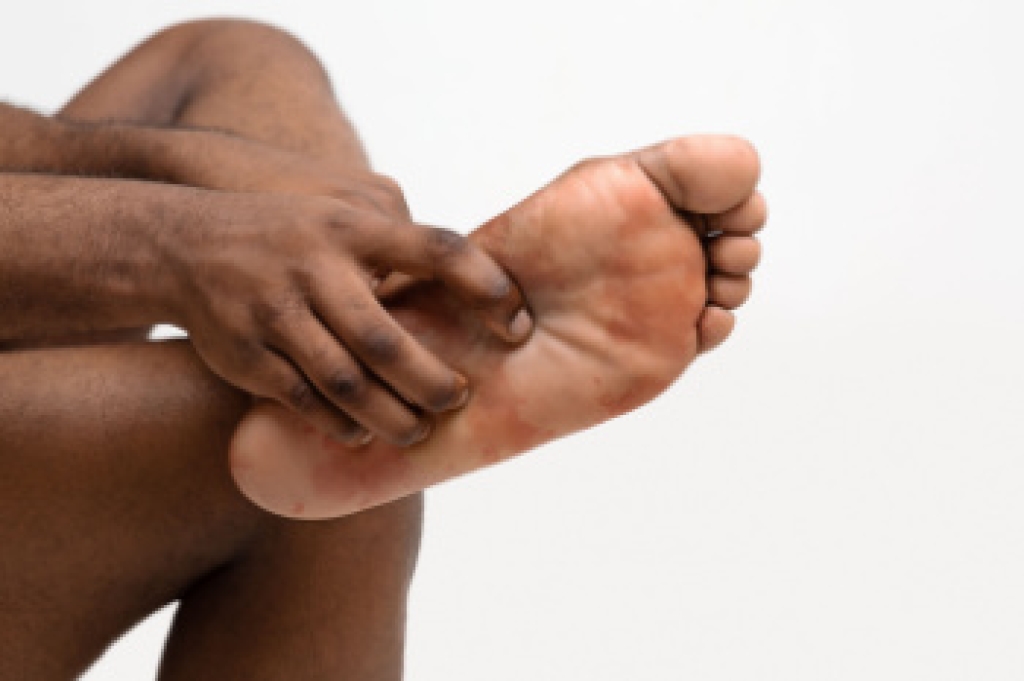
Plantar fasciitis causes pain where a band of tissue runs along the bottom of the foot, from the heel toward the toes. This tissue supports the arch and absorbs pressure. Repeated strain can irritate it and lead to sharp heel pain. Discomfort is usually strongest with the first steps after getting out of bed or standing after a long rest. It can ease once the foot begins moving, then return after extended standing or activity. Tight calf muscles, changes in activity, and excess body weight can increase strain. Shoes that lack proper support can add stress to the heel and arch.
A podiatrist can determine whether plantar fasciitis is causing the pain or another foot problem is responsible. The examination includes checking the tender area, the arch, and movement in the foot and ankle. The podiatrist may also watch how the patient stands and walks. X-rays can help rule out a fracture, arthritis, or another bone problem. Other imaging can be ordered when the source of pain remains unclear. An accurate diagnosis matters because heel pain can also result from a pinched nerve, damaged heel pad, or stress fracture.
Treatment focuses on reducing pressure, improving support, and allowing the irritated tissue to heal. A podiatrist can recommend fitted shoes and prescribe custom orthotics to improve how pressure moves across the foot. A night splint can hold the foot in a position that reduces morning pain. The podiatrist can also provide a guided stretching plan and monitor progress. Most cases improve without surgery, although recovery can take several months. Persistent pain may require further treatment. Surgery is rarely recommended and is reserved for severe symptoms that do not respond to other care. Follow-up visits help the podiatrist adjust treatment and address problems that could cause the pain to return. If you have heel pain, it is suggested that you schedule an appointment with a podiatrist who can accurately diagnose and treat plantar fasciitis.
Plantar fasciitis can be very painful and inconvenient. If you are experiencing heel pain or symptoms of plantar fasciitis, contact David K. Morris, DPM from Florida. Our doctor can provide the care you need to keep you pain-free and on your feet.
What Is Plantar Fasciitis?
Plantar fasciitis is the inflammation of the thick band of tissue that runs along the bottom of your foot, known as the plantar fascia, and causes mild to severe heel pain.
What Causes Plantar Fasciitis?
How Can It Be Treated?
While very treatable, plantar fasciitis is definitely not something that should be ignored. Especially in severe cases, speaking to your doctor right away is highly recommended to avoid complications and severe heel pain. Your podiatrist can work with you to provide the appropriate treatment options tailored to your condition.
If you have any questions, please feel free to contact our office located in Plantation, FL . We offer the newest diagnostic and treatment technologies for all your foot care needs.
